Wars are no longer fought only on battlefields
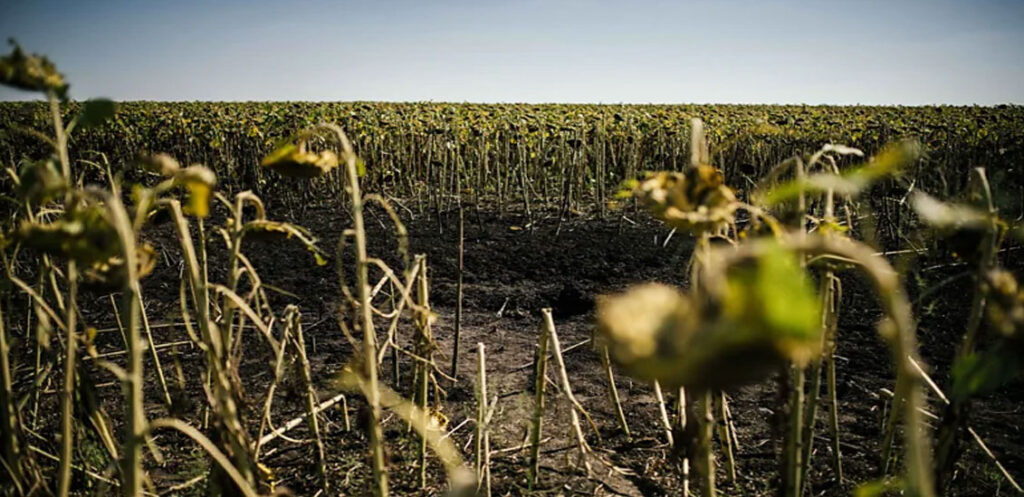
Wars are no longer fought only on battlefields—they are waged in the air we breathe, the water we drink, and the futures we are quietly losing. The so-called “oil wars” are not just about energy or geopolitics. They are about power, profit, and the reckless sacrifice of humanity and nature. Behind every barrel of oil soaked in conflict, there are broken communities, poisoned lands, and children growing up under skies thick with smoke instead of hope. Let’s be honest—this is not development. This is destruction wearing a suit. When bombs fall, ecosystems collapse. Forests burn, rivers turn toxic, and biodiversity vanishes without a voice. And the people who suffer the most are often those who contributed the least to this crisis. This is not just injustice—it is a profound moral failure. Silence, in times like this, is complicity. We must raise our voices—not as isolated individuals, but as a collective force that refuses to normalize violence for resources. Standing for humanity means standing against wars that profit from pain. Protecting rights means defending the dignity of every life caught in the crossfire. Conserving nature means rejecting systems that treat the planet as expendable. The future cannot be built on ashes. There is another path—one rooted in peace, justice, and sustainable energy. A world where we invest in life, not destruction. Where progress is measured not by extraction, but by protection. The question is no longer whether we can afford to change.It is a question of whether we can afford not to. Raise your voice. Stand for humanity. Defend the Earth. — Dr. Shahriar Hossain
A Road I Can No Longer Ignore
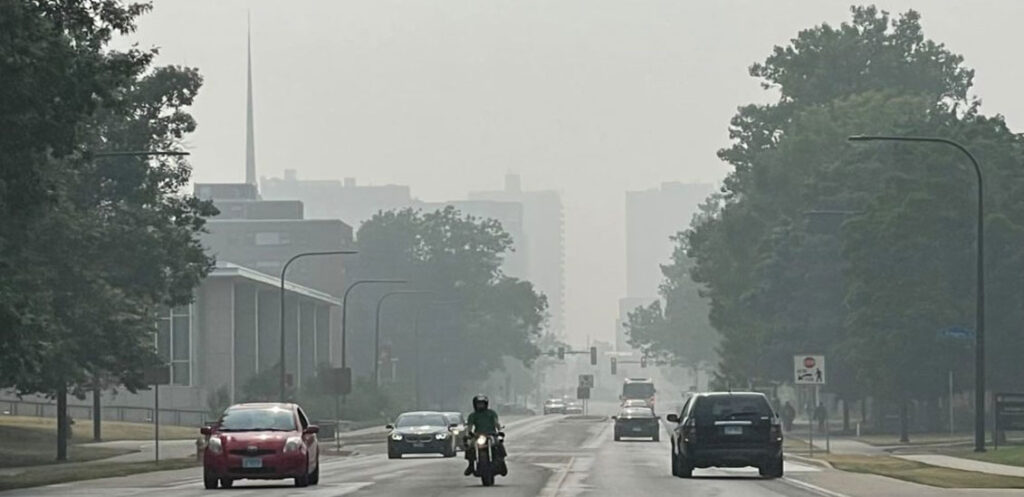
I’ve been traveling across northern Bangladesh quite often these days. Long stretches of highway, fields stretching into the horizon, and small bazaars waking up at dawn. It should feel calm. Instead, there’s a growing unease that follows me on every trip. It usually starts the same way. A battery-run rickshaw suddenly appears on a national highway, wobbling slightly under the weight of passengers or goods. A local van follows behind it—slower, exposed, vulnerable. Then comes a bus or truck—fast, heavy, unforgiving. For a few seconds, everything shares the same narrow strip of road. And in those few seconds, you can almost feel how fragile the situation is. Here’s the thing: these vehicles were never meant for highways. Battery-run rickshaws and local vans are designed for short, local roads—quiet neighborhood lanes, village paths, bazaar connections. They move at a human pace. But now, they are operating in spaces where speed, pressure, and risk are several times higher. What this really means is simple: we are using the wrong vehicles in the wrong place—and the consequences are now impossible to ignore. When a Daily Commute Turns Into a Risk Talk to anyone who regularly uses these highways—parents of school-going children, office commuters, or everyday rural passengers—and you’ll hear the same quiet concern. Every day, they calculate risk. A child crossing the road.A family riding a slow-moving van.A commuter stuck behind an underpowered vehicle while faster traffic builds pressure from behind. It doesn’t take a major collision to create harm. A slight misjudgment, a sudden brake, a split-second mistake—and lives change instantly. And we are already seeing the outcome: This is no longer just about transport efficiency. This is about human safety. About whether people can leave home and return safely. Why Is This Happening? The reality is layered. For many drivers, battery-run rickshaws are a livelihood. They are affordable, accessible, and in many cases, the only available source of income. Asking them to simply “stay off highways” without alternatives ignores this economic truth. At the same time, enforcement is weak or inconsistent. Highways that should be regulated spaces become mixed corridors where slow and fast vehicles compete. And then there’s the planning gap. We haven’t created enough dedicated local roads or safe transport networks that allow these vehicles to operate where they belong. So they spill over into highways—not out of choice, but necessity. The Cost of Looking Away It’s easy to normalize this. We see it every day. It becomes part of the background. But normalizing risk is dangerous. Because every accident is not just a statistic—it’s a family, a story interrupted, a future altered. A child who doesn’t make it to school. A parent who doesn’t return home. When negligence becomes routine, loss becomes inevitable. So, What Needs to Change? There’s no single fix, but the direction is clear. Highways must be treated as controlled spaces. Slow-moving vehicles like battery-run rickshaws and local vans should not be operating there. That requires consistent, visible enforcement—not occasional drives, but a sustained system. At the same time, alternatives must exist. If we push these vehicles off highways, we must ensure there are designated local routes where they can operate safely and legally. Coordination is key. Regulation without monitoring doesn’t work. Policies without ground-level implementation remain on paper. And awareness matters more than we think. Drivers and passengers both need to understand the risks—not as abstract warnings, but as real, immediate dangers. A Closing Thought We Cannot Ignore We often say “every life matters.” But on our highways, our actions are telling a different story. A road is not just asphalt—it is a shared space of trust. When that trust is broken, it is always the most vulnerable who pay the highest price. If a slow-moving rickshaw must compete with a speeding truck, the outcome is already decided. So the real question is not whether we know the problem—we do. The real question is this: how many more lives will it take before we decide that enough is enough? By: Shahriar Hossain, Ph.D.